|
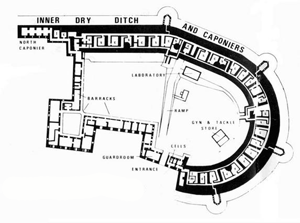
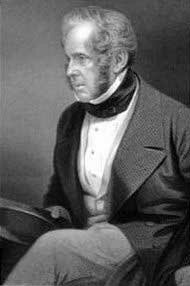
Palmerston was the Prime Minister who first proposed the building of the forts. Many opposed the forts wanted to put the money into building up the Royal Navy as our first line of defense but built they were but were to become dubbed as Palmerston Follies, the origins of this is unknown but may well have emanated from the Portsmouth area where some locals erroneously believed were constructed the wrong way round, and were therefore a folly
|
They served a valuable purpose as a deterrent and it could be argued that they prevented an invasion. Far from being a folly they were considered by the greatest military leaders of the time to be the most efficient and formidable method of defence ever to be constructed in the UK. In 1864, a visiting Russian, General, Count Todleben, the engineer responsible for the defences of Sebastopol, inspected the forts of Portsmouth and Plymouth and declared them to be ideally suited to their purpose. He was full of praise for them, offered constructive criticism and was complimentary on the details of the forts themselves.
|
|
Though never used in anger the forts were all fully armed by 1888. Not a single one was left unarmed unless it was considered to be superfluous to requirements, such as Scoveston Fort at Milford Haven. They served an extremely valuable purpose as barracks for the many regiments moving about the UK and to and from the colonies and far flung corners of the huge British Empire. Many of the forts, particluarly the coast defence forts and batteries, were re-armed and saw active service through both wars and on to 1956 when coast defence was finally abolished.
|